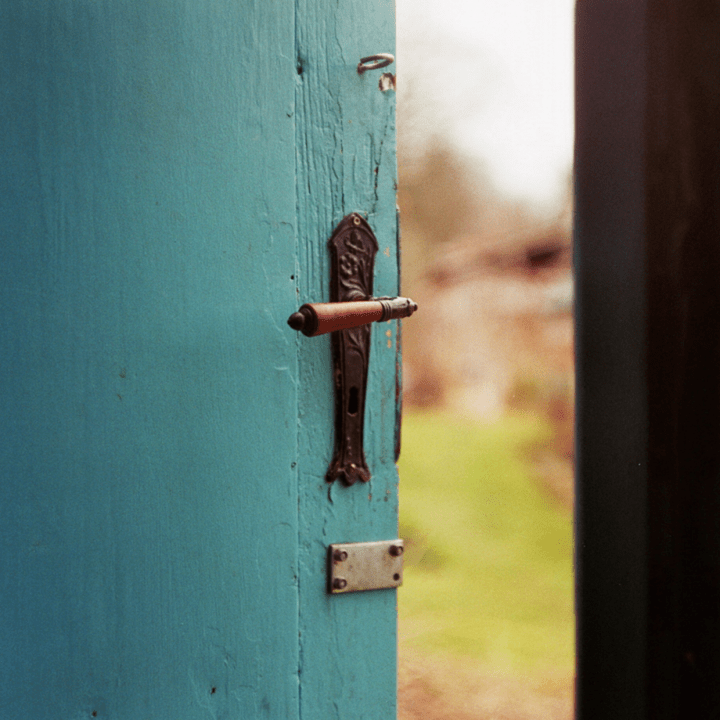
 Why is a gate standing ajar or roses along a fence so inviting? How does a change of pillows or adding a house plant lift the mood? A clean open room or a swath of colorful flowers pleases the eye. Why are we drawn in with a touch of wonder, a bit of mystery or whimsy, just from reading words upon a page? And, what is it about the morning sunlight, a cheerful window box, open shutters, finding an unexpected sculpture, even overlooking a greening field? Emotions are stirred, inspiring the click of a camera, the swath of a paintbrush, the writing of poetry.
 Whether you’re writing a novel or a blog post, making a garden plan or creating a room… producing artwork, planning an event or marketing a product or service- Good design is essential. Here are my 5 Principles of Good Design:
 1. Structure– This sets the boundaries, writes the outline, establishes the parameters. Structure in creative design includes entryways, walls, fences and paths. Windows, enclosures, doors even garden gates all offer a view from beyond. Structure is the size of a canvas or even the frame of great artwork. Good placement of structure, allows for taking advantage of natural or planned views. Outbuildings, barns, sheds, greenhouses, even porches are good examples, too. Structure is very much like the plot of a story, the layout of a room, setting the stage, doing a first draft or an initial sketch- even a basic recipe. Everything depends on the planned or existing structure.
 2. Light and Color. Whether muted or harsh, light is an amazing tool, that’s why we have phrases like ‘… shed light on a subject.’ Words, fabrics even paints are really absorption of light. Twilight in a garden, dark passages, shady fern glades opening onto a patio’s splashing fountain, glistening droplets cool down a sunlit space. Light highlights form. Color can be compared to a main theme, prompting a response. Color draws the eye and keeps it focused. Shades of color massed together are more pleasing than bits here and there. All good storylines have a main theme, color is way to establish theme. Keeping color consistent is important, with the occasional exception of an accent color, always best when used sparingly. Do you enjoy reading about colorful places, delightful folks or being enlightened? Remember that phrase and you’ll do alright.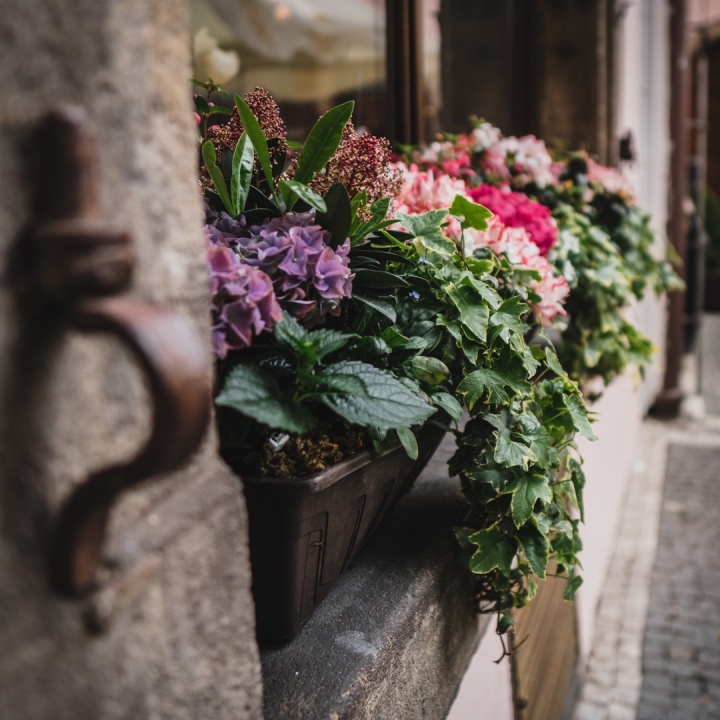
3. Focal Point– a focal point draws you in. Into the garden, into a story, into a work of art. A focal point has the effect of pausing, just as a curved path slows the pace. Focal points can be compared to deciding which type of frame best suits a painting. And, a focal point is very much like punctuation, exclamation mark or even a main character. 
4. Emotion. This might be the most important principle of all. How does the design make you, your reader, your audience feel? Is it the scent, is it the shape, the shadows? Is it the sense of comfort or being home? It might even make you smile or be inspired. Never underestimate the value of mystery, curiosity, serenity, anticipation or a bit of whimsy. And always leave room for serendipity. The unexpected twist. Emotion is movement, memory and motivation. Change structure, focal point even light and color and you experience new emotions. Adding whimsy to a serious garden, home or story always brings a smile. 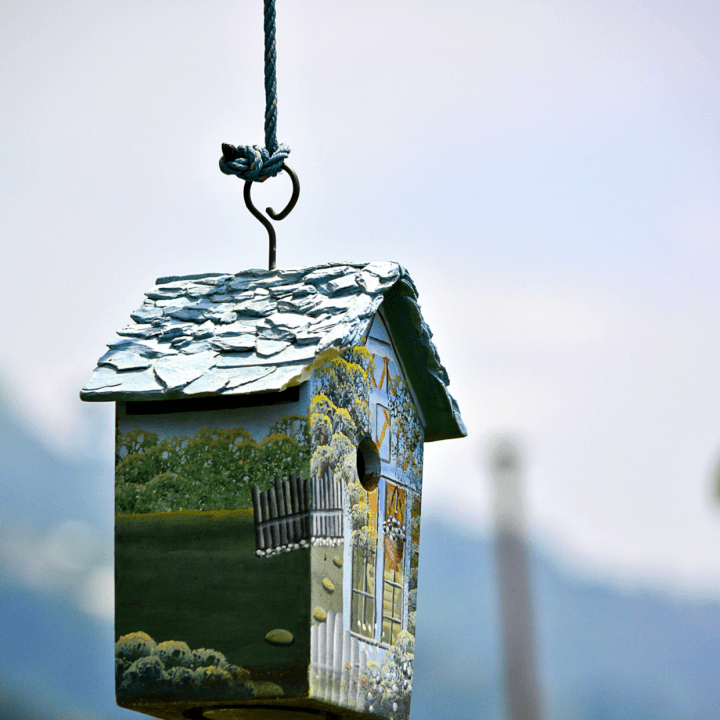
5. Abundance and Restraint. There is a place for both in great design. The abundance of roses, a single flower, each has a message all its own. Generally in a garden or a home- abundance is highly desirable, a huge bowl of fruit, a flower arrangement, an overflowing bread basket, a mass of single color. Often in a painting, a marketing plan,architecture even in writing – restraint is often best. Remember, if the restrained design of a room, a work of art or a garden looks easy, it’s not. Nature teaches us the best lessons- dew drop says something far different than a generous spray from a watering can.
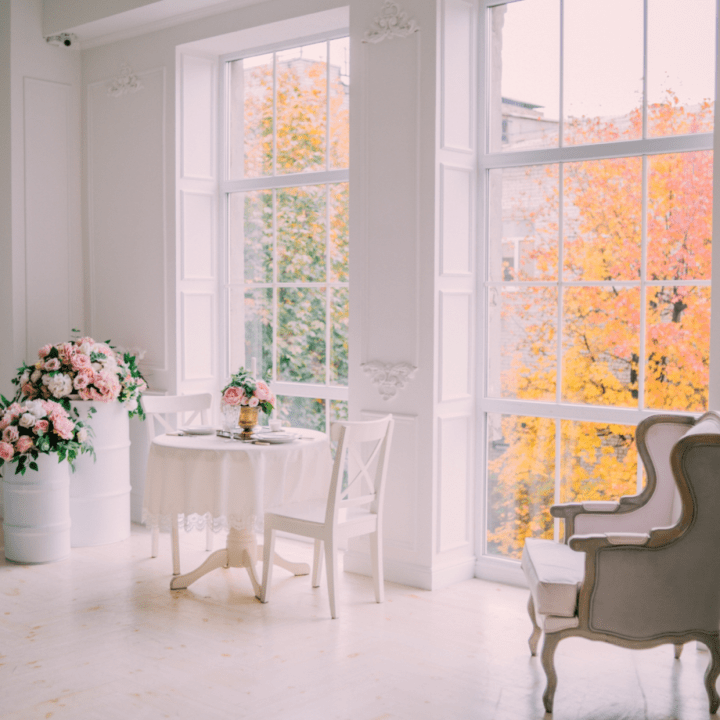
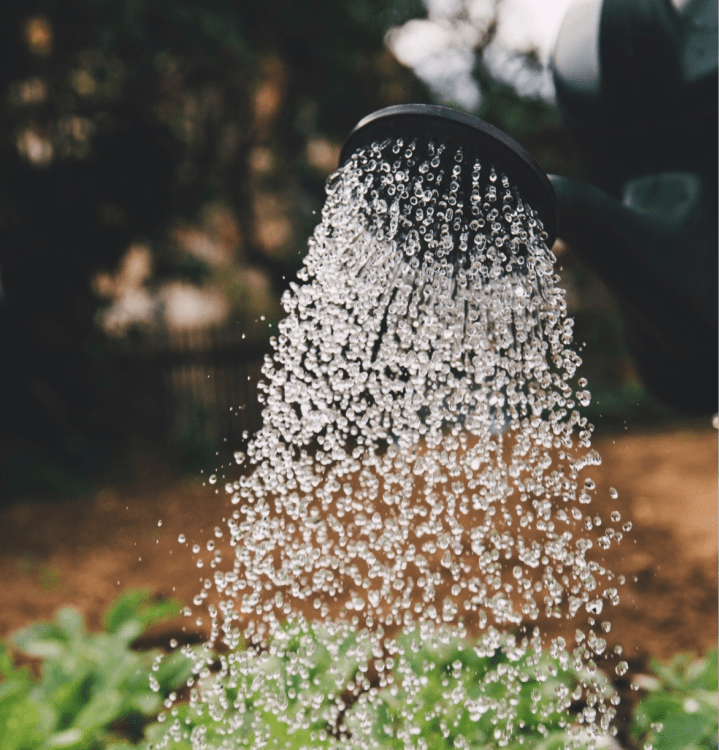
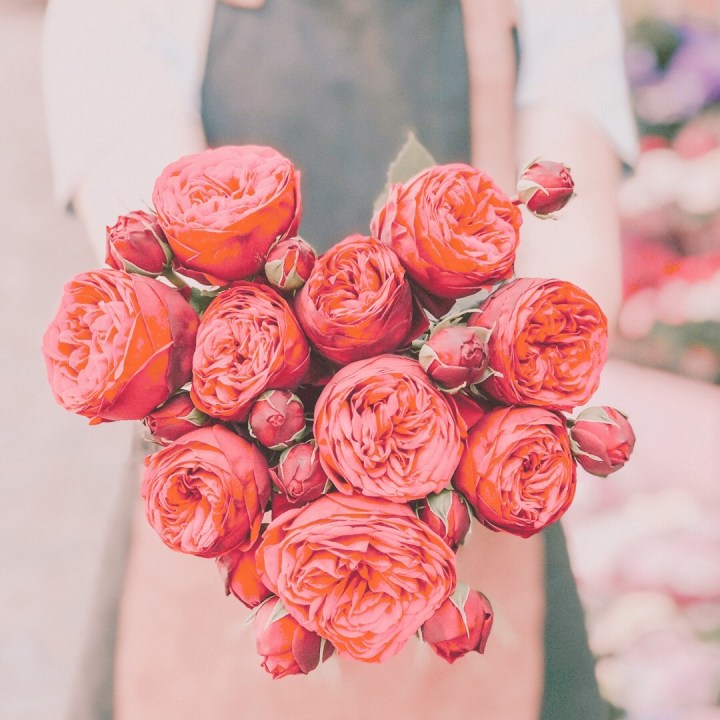 Tell me your story, don’t leave anything out. Take a photograph, set the scene, put color and emotion – use restraint or abundance to its best advantage and if it’s a recipe… well, you know I want you to do everything except scratch and sniff the spices, vanilla or lemon! Spark my imagination, let me feel the emotions. Let the colors in your art or garden lift my spirits, thrill me with color combinations, set boundaries with a fence, gate or beautiful frame.
If you design a beautiful room, add a focal point or a pleasing outdoor view, maybe a charming window box. Literally, frame the view of your amazing work of art and it actually visually expands the experience. Give me abundance or show restraint, it’s like editing– often what you take away is more important than what you leave in. And, hey! In the South, we like a bit of whimsy, humor and often we tilt to the morbid side of things. We put our crazy eccentric sides out there and relish being different, maybe we could use a bit of restraint. Oh me, how I do run on…
Love y’all, Camellia
*This is a larger subject than one blog post can contain. Still. I think to have these principles in place builds a framework on which your creativity can thrive.
- Build the framework with structure.
- Light and color are much like adjectives or spices.
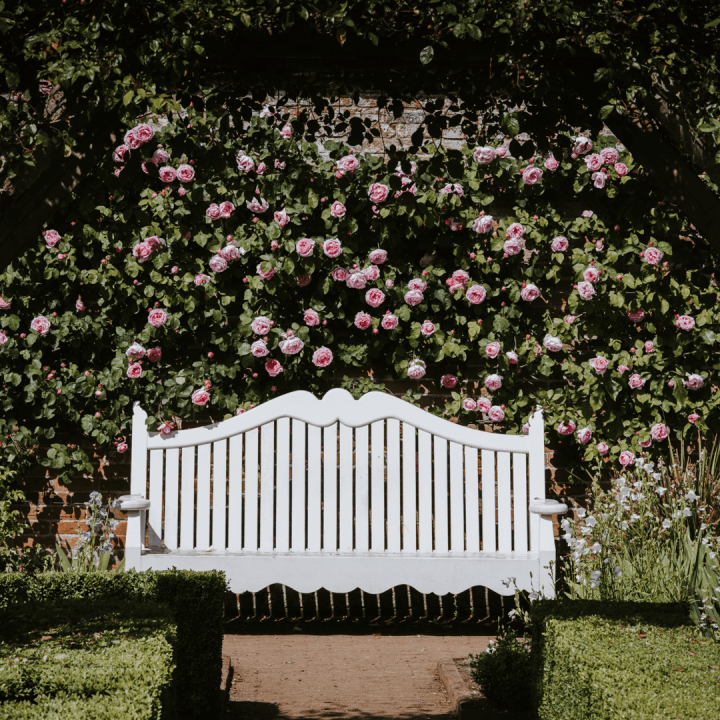 Add a focal point as your main character.
- Use emotion to its best advantage, this is the active part of your design.
- Stir in restraint and abundance and you have a winning combination.
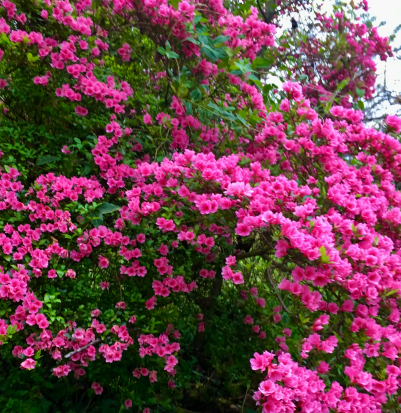
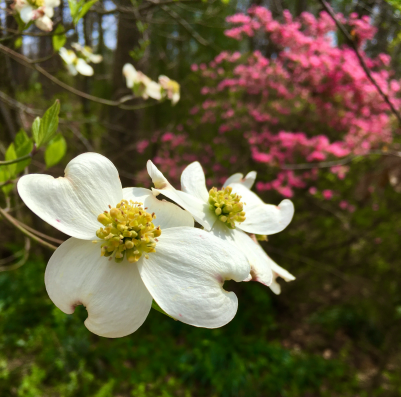
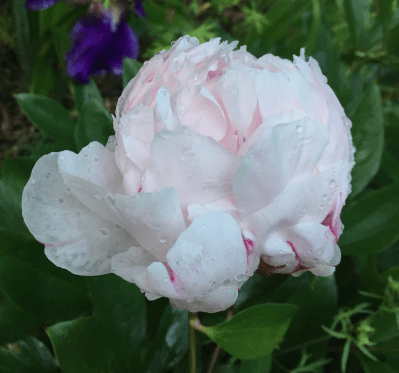
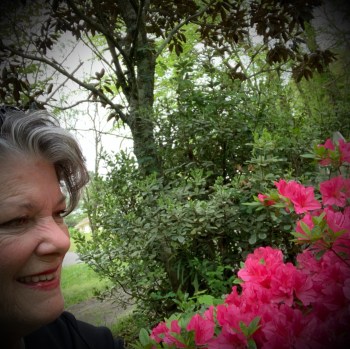
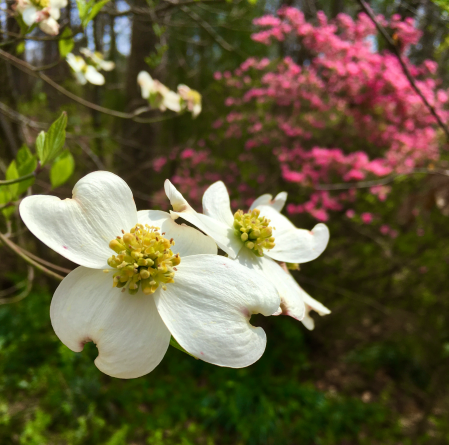 I’m never really sure who’s going to show up at our Garden Party here at Camellia’s Cottage…it’s such a fickle dance. Who’ll show up early or be fashionably late? Will they be effusive and bring extra guests or volunteers? Or stand around halfheartedly, even look bored. Perhaps they’ll chat like magpies or huddle together shivering and complaining. Spring is more like a house party that begins in fits and starts- gets rained out, stalls or lasts for weeks on end.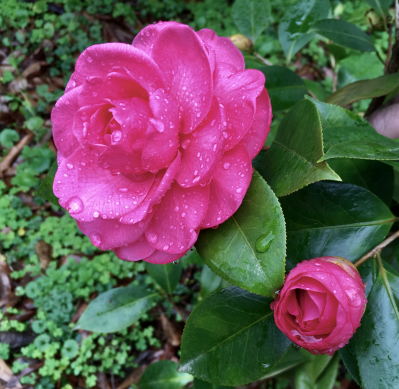
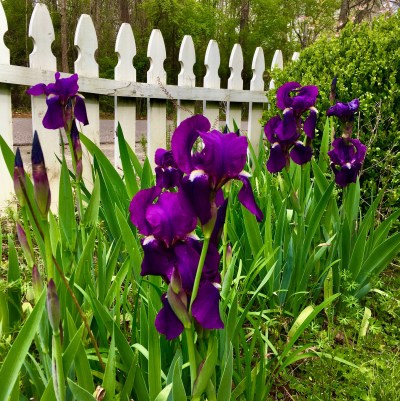
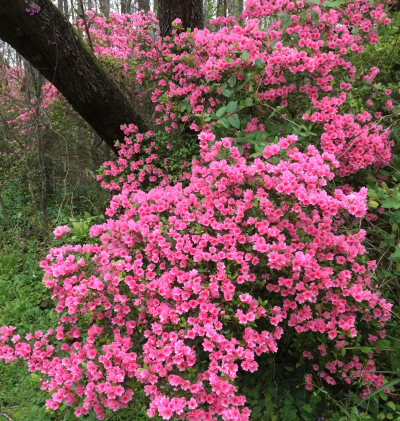
 As we do all we can to practice good health measures and shelter in place… I thought it might be good to have a few simple projects, easy enough to involve the children while they’re out of school and in need of a bit of fresh air.
 The Green Onion Project is one I practice all year round, in our mild climate. Save the root ends of green onions…they will dry in a small bowl on the counter or you can put them in the ground right away, your choice. If you don’t have a garden space- a container filled with potting soil will do just fine.
 They do better outside, though I suspect a very sunny spot indoors will do. Scoop out small holes and press the green onion root in firmly with no air pockets. Put as many as desired. An inch apart is just fine.

 The Ice Cube Project. I love to make pretty ice cubes. Shamrocks might be my all time favorite. Find smallish shamrocks or clover (pesticide free) Fill ice cube trays 3/4 full with water. Top with a shamrock and freeze. Feel free to add more water during freezing process if the shamrock isn’t submerged
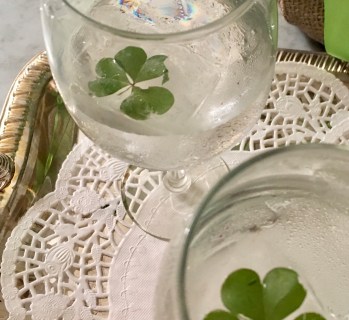 . Tiny wild strawberries work very well. Also, very thin slices of lemon or lime cut in quarters are beautiful in a glass of tea or lemonade.
 Spring Violet Tonic This project isn’t fool proof and it’s not for children to do alone. Pick a packed cup full of wood violets or violas. Flowers only, please and once again pesticide free. (The wood violets are coming into their own now in the South, violas work well too!) In a small saucepan, add one cup of cane sugar, one cup of water and one cup of wood violets.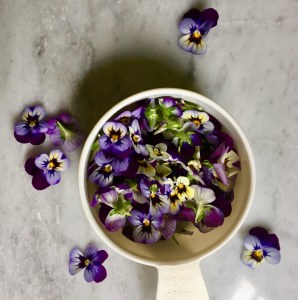

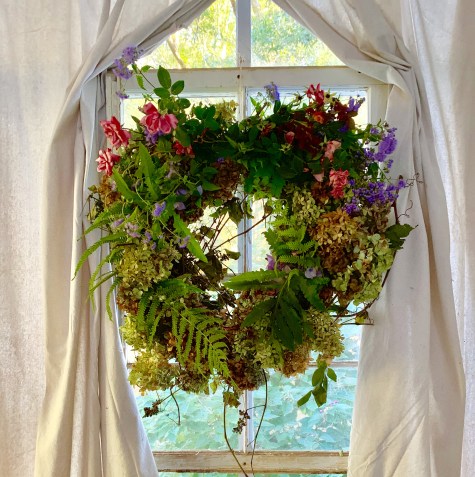 Here at the Cottage, I don’t change out front door wreaths for every season or holiday; however: in the fall when the ferns are shriveled up from the heat, the chrysanthemums sit and sulk and refuse to bloom and… let’s face it, it’s still hot and flowering pants in the border are beginning to wane… so! a wreath seems to be a good way to freshen up the front door as we transition from summer to fall. And let’s face it- when the garden starts to look tired, and it’s hot and dusty; shining up the front door for a bit of curb appeal, even perking up the screen porch makes things feel like fall even if it’s still hot as the hinges on devil’s back door!
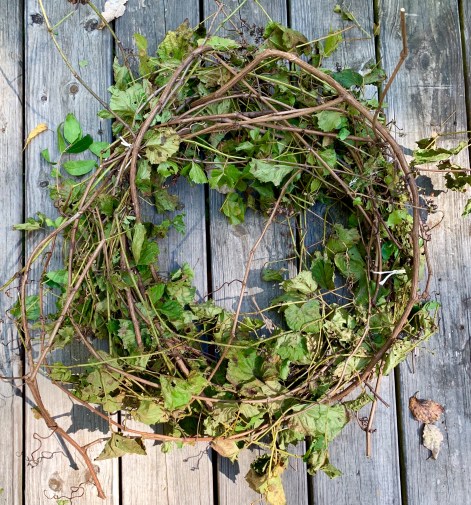
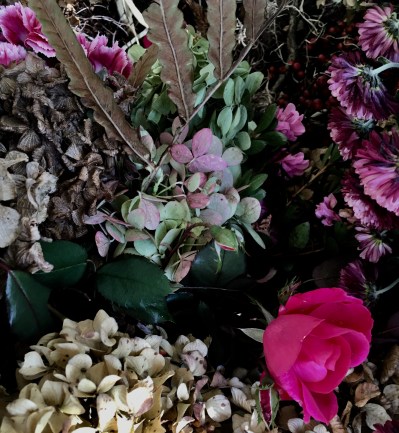 Then, there’s this- I think it’s fun to forage for blooms, vines and quirky things. I wind them up into a pretty wreath (see those pretty things above!). Now…. Fresh and dried materials won’t hold up forever, so… It’s better to enjoy the wreaths for a season, then put all except the base material in the compost pile.


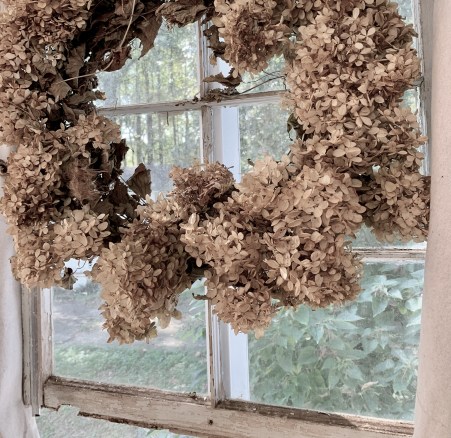
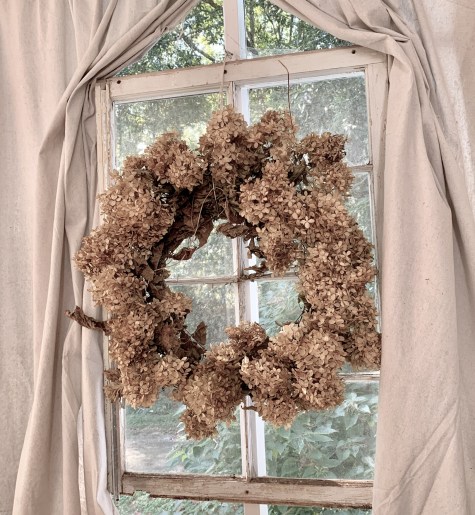 One wreath is made simply of Annabelle hydrangeas which usually dry to a pale green, then tinged with pink or if picked early will dry to a delicate pale cream. Here’s a close up of how mine dried this year- though sometimes they turn a light tan sort of like a paper bag!
 The mixed hydrangea wreath at the top and below is a foraged wreath with vines, wild flowers, fading roses and ferns. The first round of foraged flowers were too droopy by the time I made this wreath- so I just went out and snipped a few more things! Use your imagination and what you can find!
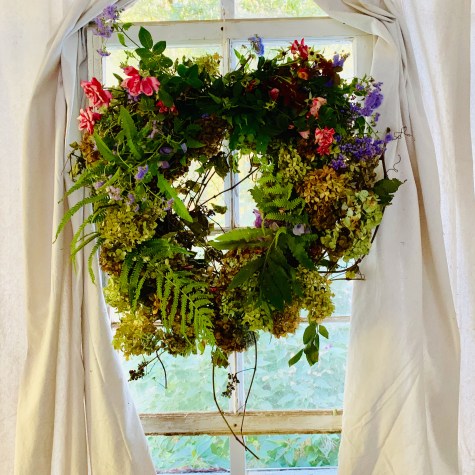 This foraged wreath is one of my favorites- yet I don’t expect it to be an everlasting one. I would mention, the fresh additions like the ferns generally don’t dry well- yet they could be refreshed and replaced. Feel free to remove anything past it’s prime and replace with some new things! And now for the natural fall wreath I’ve kept- drumroll please…
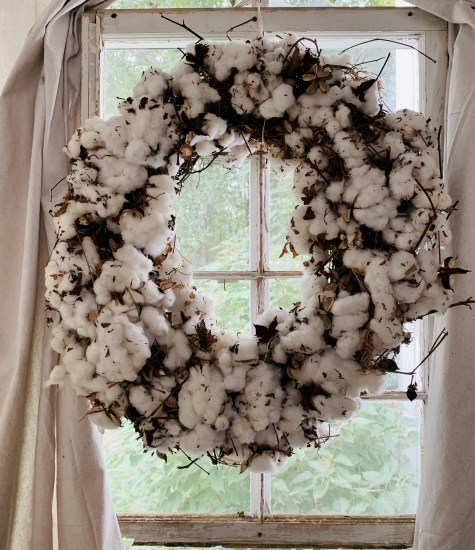 The other wreath is made of Alabama grown Cotton- this is the one I’ve kept from season to season- it’s very special to me. The cotton was grown at the Birmingham Botanical Gardens in the George Washington Carver garden, planted to honor this famous Alabamian whose work to enrich the soil with primarily peanuts, in depleted cotton fields through crop rotation. His research and work is legendary. This particular cotton was being pulled up at the botanical garden in the fall, so I asked the head gardener, who was about to discard the cotton stems and bolls-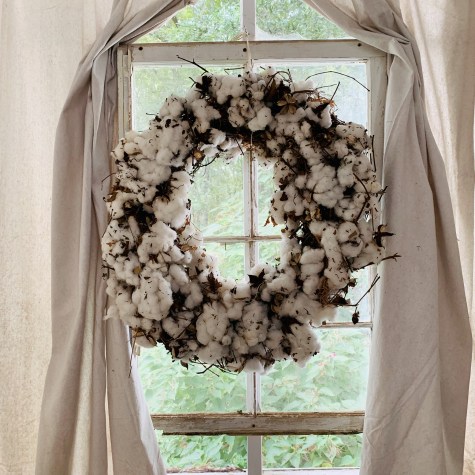
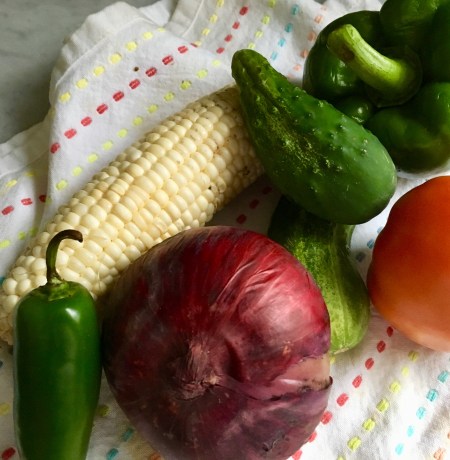 It’s that time of year when everything planted in the spring seems to be ripe now! Folks used to say- ‘everything’s comin’ in at the same time!’ When it comes to Puttin’ Up the Garden’ if you get a minute to sit down, you’re shellin’ beans or shuckin’ corn or lookin’ through bushels of fruits and vegetables to cull out the ones with bruises or bad spots! Those bits and pieces are used to make up meals during ‘Puttin’ Up the Garden’ time… And every single able body is put to work!


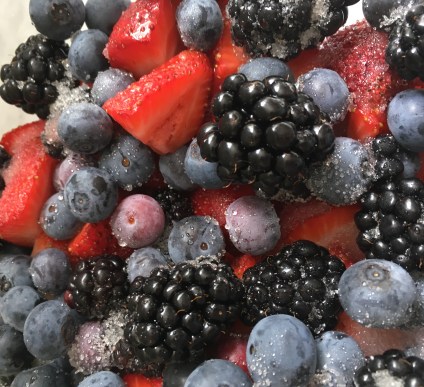


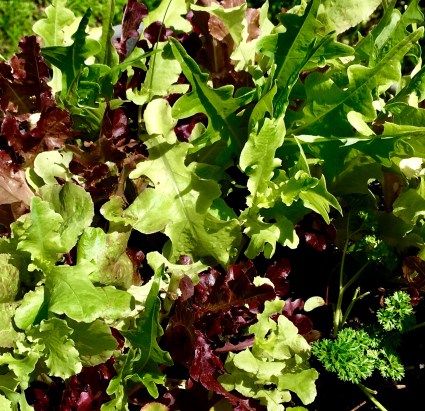
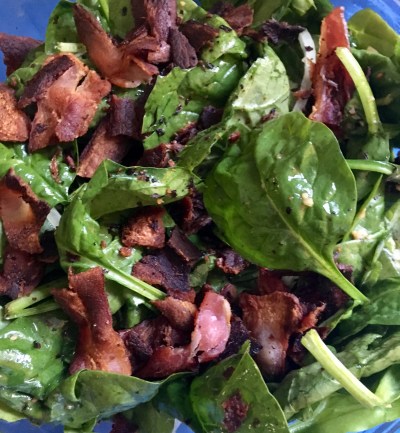


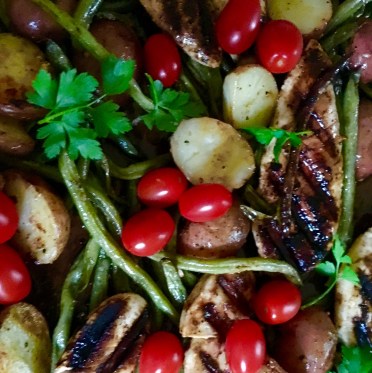 Combinations of extra vegetables were cooked, roasted or used for toppings. Grilled meats nestled with roasted and fresh vegetables are a new take, still with the thought of making use of every bit of garden goodness!

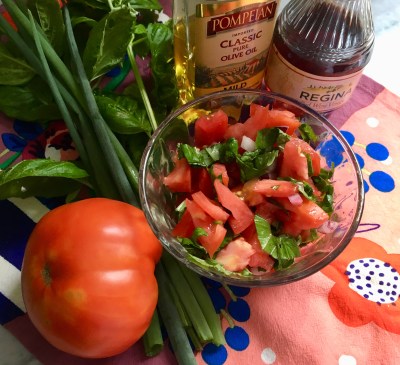
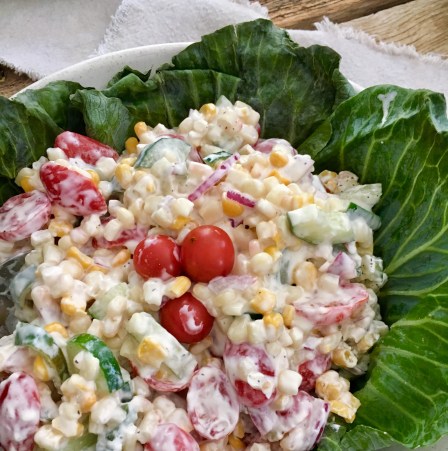
 And last but certainly not least is Shoe Peg Corn Salad… Simply made with several ears of corn cut from the cob, chopped or cherry tomatoes, purple onion, bell pepper and cucumber all small diced is a no cook salad that’s sure to please anyone!