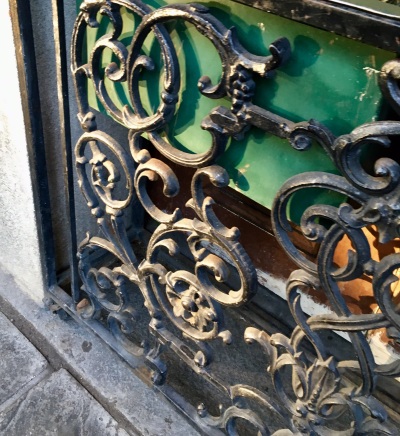
It’s no secret that Southern women guard their grandmother’s Cast Iron with the same zeal as the family silver, both were used to feed their families. Cast Iron actually helped settle this entire country. Ironworkers fed their families with hard work born in fiery furnaces. I grew up under the watchful eye of the original Ironman- the god of the forge, Vulcan. We sang Vulcan’s Song in grade school… ‘High on mountaintop am I, I look o’er the valley from on high…’ The statue stood atop Red Mountain beribboned with rich iron ore. Nighttime drives through the city of Birmingham were ablaze with the sights of furnaces pouring molten lava into molds that created all manner of necessary steel and iron. Perhaps a higher than normal amount of iron runs through my veins and maybe- just maybe, that’s why I love the Ironwork throughout historic Sea Soaked Cities of the South.


Balconies with lacy ironwork, parks and cemeteries surrounded by ironwork fencing are distinctive in Charleston, Savannah, St. Augustine, Old Mobile and of course, Ironwork is iconic in New Orleans.


There is literally a Trail of Ironwork in New Orleans, not derived of French influence but from Spanish architecture. After wooden columns and homes went up in flames, it was Spanish inspired Ironwork, reminiscent of feminine black mantilla lace installed on balconies and more…ah, the romance of it all still lingers.


It might surprise you to know, this frilly Ironwork was added during the Victorian era, not before. Most Coastal Southern Cities experienced floods, scourges of yellow fever, social upheaval, war, natural disasters and fire. Ironwork Architecture represents to me, the will to prevail come what may. 
Hundreds of years later, the ancient words in Deuteronomy ring true – ‘…but the Lord hath taken you out of the iron furnace…to be a people of inheritance as ye are this day..’ Whenever I visit an historic city, one of my favorite pastimes is sign up for Walking Tours. In fact, strapped for time…guided tours may be the best way into the spirit and sense of an old city.
- The Garden District Tour of old mansions near Tulane,
- The Spirits and Ghosts Tours,
- The Culinary Walking Tours,
- The Cemetery Tours and probably my favorite, even though I’m a teetotaler, is-
- The Cocktail Walking Tour which includes a revolving Carousel Bar, an authentic Blacksmith Shop, Pirate’s Alley where the mysterious Absinthe is still served- illegal in many states, it is amazing to watch a cocktail being made!
- Fine old restaurants, like Antoine’s, where the rich and famous dined are included too. (And no requirement to imbibe though time is allowed).
- A self guided walking tour of the French Quarter in pamphlet form, is provided by the Louisiana Tourism Office on Jackson Square which is challenging, no cost except for a bit of perspiration and direction!
- Then, last but not least- along Royal Street around Jackson Square and beyond -is the photogenic French Quarter Ironworks Trail.


I hope you enjoy this collage from my own traipse through the Trail of Ironwork in the Crescent City. This fall, if you take a last minute trip or long weekend to an historic city- sign up for a Walking Tour, if there’s old Ironwork and Architecture all the better!
Love y’all, Camellia
*All photographs are mine. *Verse from Deuteronomy 4:20 speaking of the Hebrews being brought out of great difficulty and slavery in Egypt.
*We continue to be very concerned about the wildfires in California, thankful for the brave firefighters and heartbroken for the residents who have lost their lives and so many homes.
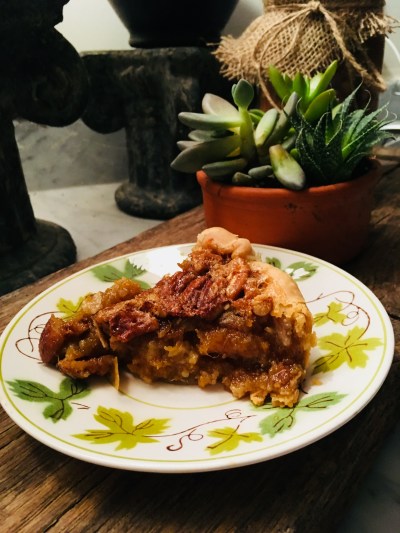
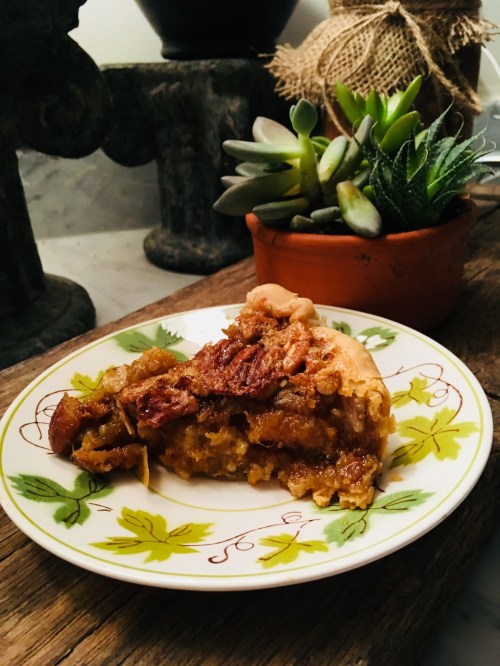 Yes, you read that right! Two iconic Southern Pies in one glorious crust! The first time I tasted Sweet Potato Pecan Pie coincided with the first time I visited New Orleans… Paul Prudhomme was an up and coming chef whose Blackened Redfish was becoming all the rage. Spicy and delicious- Prudhomme put New Orleans on the top places to visit for the food alone! He was invited to the White House as chef for an international summit and became a household name. Lines formed early at his restaurant – K-Paul’s Louisiana Kitchen. Out of his kitchen came not only wonderful food, there were also chefs who would become famous in their own right.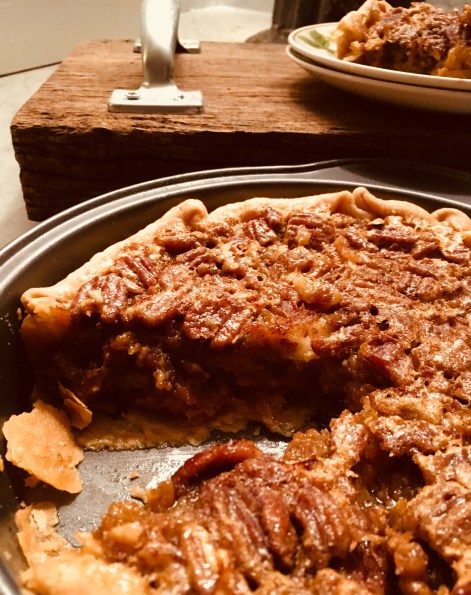
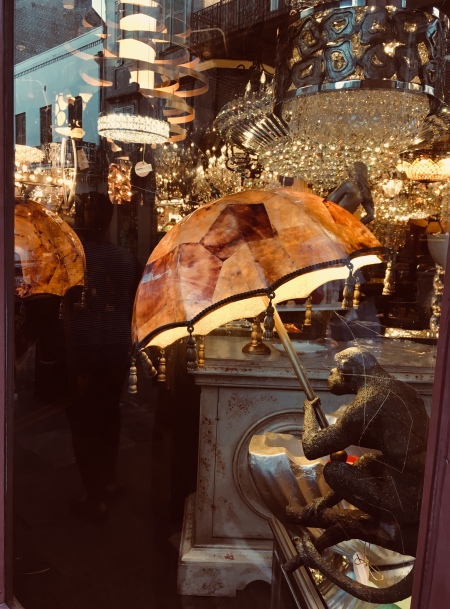 A mere half day’s drive from my sweet home in Alabama…takes me to a different world- Vibrant New Orleans. A distinctly Southern City yet…unlike so many which are sleepily content under bearded Live Oak Trees… New Orleans pulses with life every hour of the day with: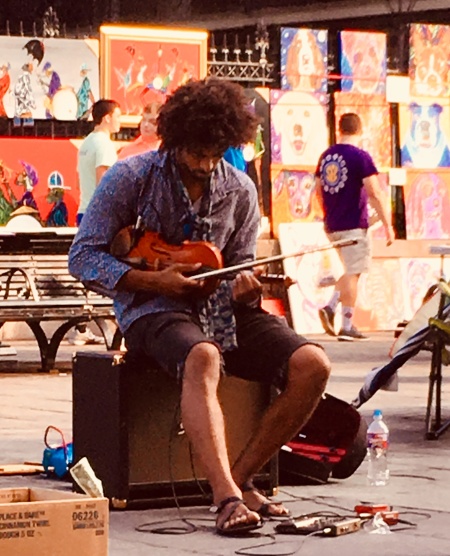
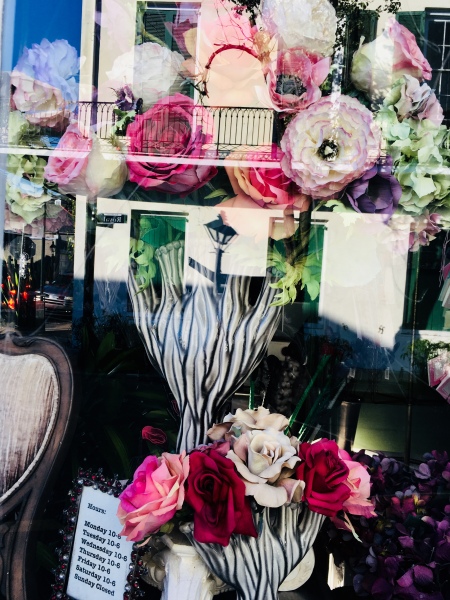


 Even though Cornbread and Biscuits are made in every region, we Southerners always think ours are the best! Biscuits seem to be the higher culinary art compared to Cornbread’s rustic texture. And the truth is, Cornbread has it’s roots in poverty, yet often graces the finest tables. French trained Southern Chef Virginia Willis said it best: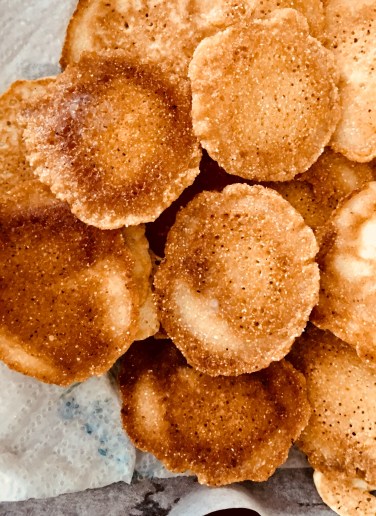

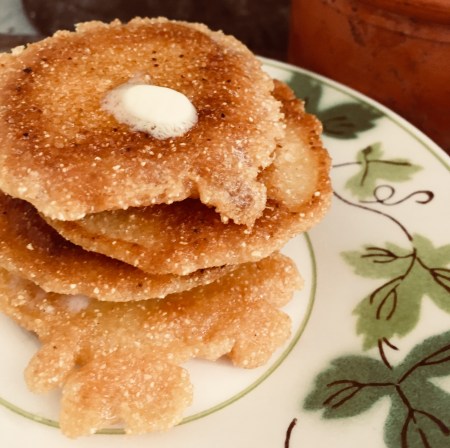 Oh my, I hope you’ll try a batch and substitute them for plain soda crackers when you make a big pot of soup this Fall!
 Camellia's Cottage