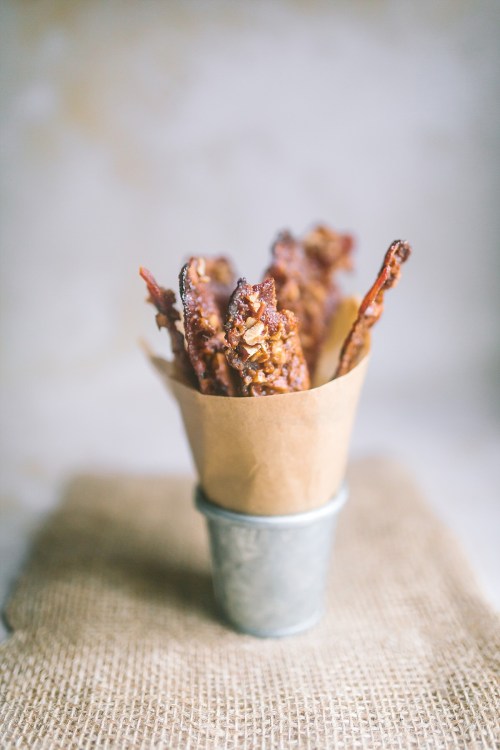
 It is nearly impossible to make enough of Pecan Crusted Candied Bacon! That’s eating high on the hog! And… the reason for this Special Edition is because our candied bacon has been featured on the podcast and blog of the beautiful, talented Becky Hadeed @thestoriedrecipe! Her photography is ‘cookbook quality’ beautiful! I sent Becky a general recipe of how to make Pecan Crusted Candied Bacon, yet we wanted the recipe tweaked a bit- so, here’s the specific version with a few tips for making –
Pecan Crusted Candied Bacon
Mix together:
- 1 1/3 cups Light Brown Sugar
- 1- 1/2 teaspoons Sea Salt
- 1/2 to 1 teaspoon Black Pepper OR
- 1/2 to 1 teaspoons Cayenne Pepper ( Black and Cayenne Pepper are to taste, I like it spicy! And often add both!)
- 1/2 to 3/4 cup finely chopped pecans
*Keep this mixture in an airtight container …it makes enough for at least a pound of bacon.
Method:
- Prepare baking pan by lining with heavy duty foil, then lining with heavy duty parchment paper. Don’t skip this step! It is almost impossible to get the drippings off the pan!
- After each batch remove and replace parchment paper. On top of parchment paper foil lined pan, set a baking or metal cooling rack.
- Preheat oven to 350 degrees.
- For each batch- cut 4 slices of thick bacon in half and arrange the 8 pieces on the baking rack leaving space between the slices. *Thick bacon is commercially sliced and is about 1/8 inch thick.
- On each half slice of bacon, sprinkle 1 1/2 teaspoons of sugar mixture. (don’t overload bacon with topping, it will melt and run off onto the baking sheet and burn.
- Press sugar topping lightly. Bake at 350 for 15 minutes, check the bacon …it will always need more time- Bake for 10-15 minutes more checking every few minutes.
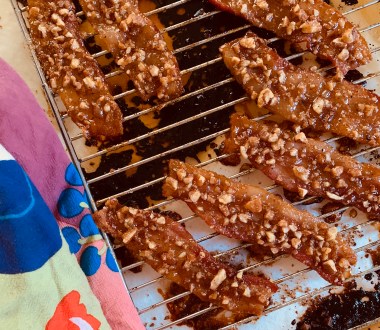
- Remove Bacon and leave on rack to cool.
- If properly cooked, the bacon will continue to crisp up slightly as it cools. Depending on the thickness of the bacon, it takes up to a total of 30 minutes for each batch.
- Store Pecan Crusted Candied Bacon in single layers with wax paper or parchment between layers in an airtight container.
- * Variation- add finely chopped walnuts if preferred or omit nuts entirely, though I must say- the pecans make it southern a delicious!
Serve: Alone as an appetizer (small parties…these go lightening fast!), Pecan Crusted Candied Bacon is wonderful crumbled over fruit or green salads. And! For a very special treat, crumble on top of a good vanilla ice cream, if you really want to dress it up– pour a teaspoon of bourbon over ice cream to enhance the vanilla flavor (if you dare! Adults only please) Then, top with a good caramel sauce then sprinkled chopped or crumbled bacon on top!
This Special Edition is an exciting time! It’s our first podcast! The podcast with Becky of @thestoriedrecipe was a first for me! I mean, really…it’s a scary thing, wondering what your voice will sound like- if the recipes will work and okay, I didn’t want to sound like a redneck! Still. Becky did a great job making the recipes, including Mimi’s Award Winning Pimento Cheese look great! And… her editing skills on the video are amazing too. The episode includes two other wonderful guests and me! Here’s a link to Becky’s blog- The Storied Recipe and the podcast located at the beginning of her post.
I am honored to be Becky’s friend and to have appeared in her podcast, which is available as The Storied Recipe, Episode 4 and also through your podcast app. Follow Becky on Instagram @thestoriedrecipe as she continues to interview guests and discover recipes and the stories that go along with them! The table is where we find common ground. It’s the making of the food for our friends and families, sharing the stories and creating even more memories, especially during the holidays!
Love y’all, Camellia
*All photographs belong to Becky Hadeed and are used with permission – except- the ‘candied bacon on the baking rack’ which is obviously mine!
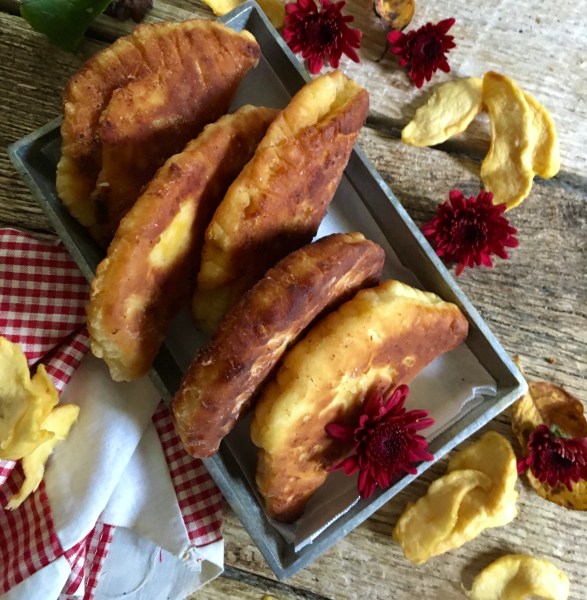
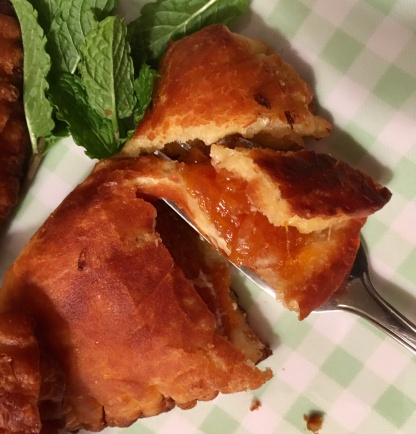
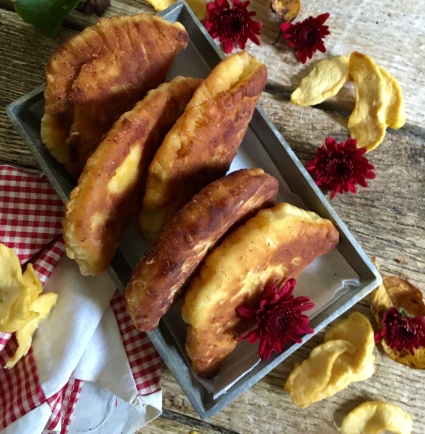 Fried Pies might be the ultimate comfort food for southerners. Especially of… folks of a certain age; though their appeal knows no age, economic barriers or social status. Given the chance to eat a fried pie, the answer is always ‘yes!’
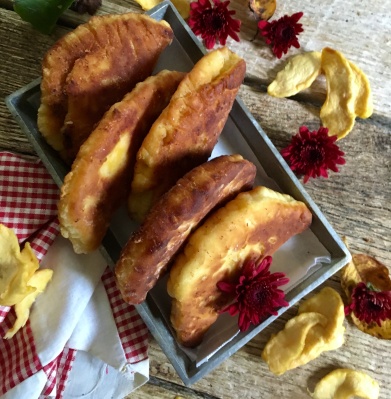
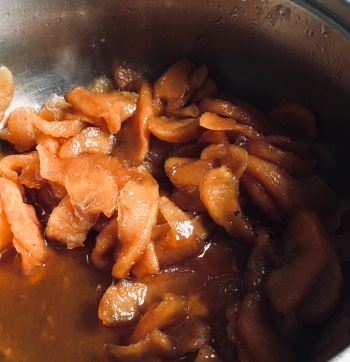
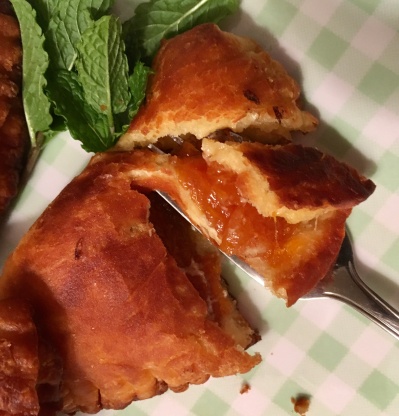 The comfort food we know as fried pies are generally filled with a thick filling of dried apples or peaches, though I’ve also seen other types- strawberry, lemon, chocolate and another southern type called Nachitoches Meat Pies from a small town in Louisiana. These variations aren’t what I’m talking about here. Fried pies always conjure up the type our mother’s made from dried fruit-plumped up with water and sugar, then boiled down until as thick as jam.
 A tablespoon or so is put inside a small circle of dough, the edges are folded over to make a half moon shape; then they are fried. Not deep fried either… which I personally think would ruin a fried pie! Still, they are fried in about a half inch of oil or shortening even lard. They do especially well fried in a hot iron skillet. * You know, I really should tell you sometime all the reasons we love our iron skillets and fried pies is just one reason!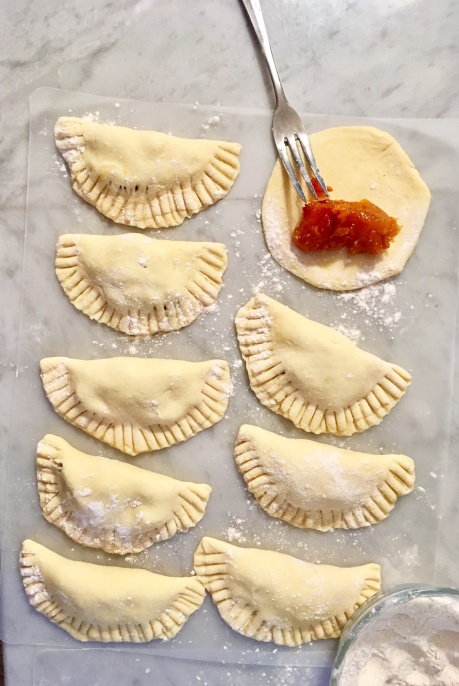


 Fall is a wonderful time to go to California! We’ve been at various times of year and I have to say when the weather is still hot as blue blazes here- California’s September weather is almost perfect. San Diego is perfect year round, yet San Francisco has generally felt much cooler than I’ve expected whenever we go! This time, we did a multi-region trip. We flew into San Francisco and drove down the beautiful stunning Pacific Coast Highway to Monterrey, back up to beautiful San Francisco, then up to Napa and Sonoma Wine country where it was harvest time!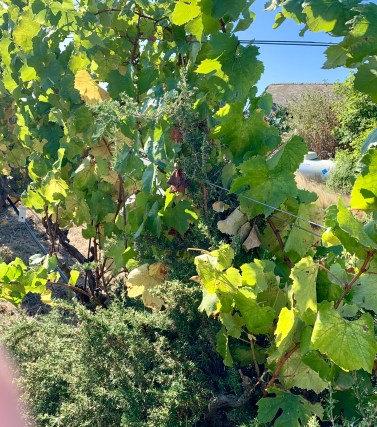





 On Sunday, of course we wanted to visit the sea lions! And the whole Pier 39 area… so fun, at the Ferry Building to graze thru the vendors and purveyors of California made or grown food! Amazing gift shops and beautiful sites to sit outside and eat or visit.


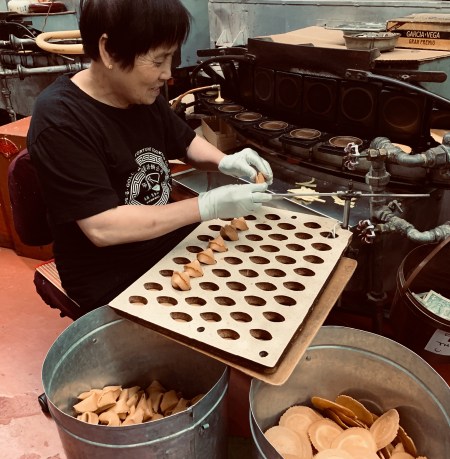

 Alcatraz Island is the number one tourist sight in this area- we did not go on this trip however- I was able to capture it for you! And, you do need to book this tour in advance of your trip since it sells out quickly- visit
 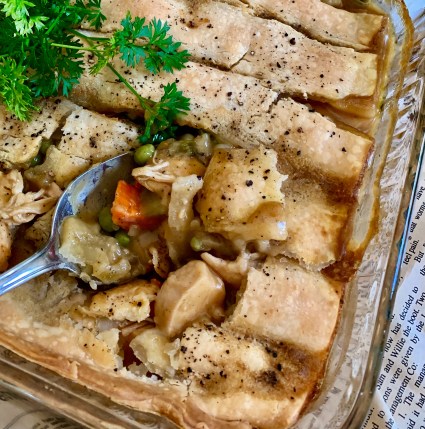 Chicken Pie may be one of the most universally loved savory pies in our part of the country- southerners simply eat a lot of chicken and since we do, there tends to be a bit of leftovers whenever we roast or bake a chicken. A southern chicken pie seems to be the favorite way to use leftovers or even start from scratch with the intent of making comfort food, especially when Fall begins to cool the air!
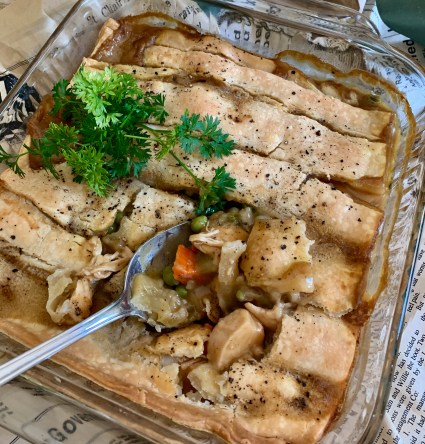 Here’s how to make Camellia’s Chicken Pie–
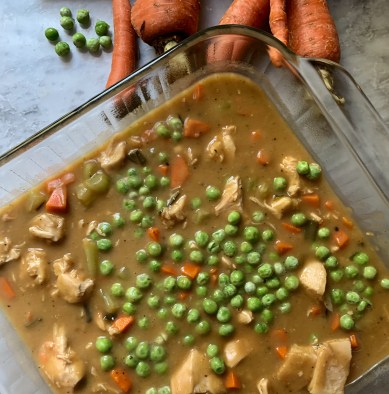 Pour mixture into prepared baking dish. Cut the pastry round into a square piece that will fit baking dish. Cut dough scraps into small pieces and push into the chicken pie filling. This will also thicken the filling as it bakes. Top with square pastry, butter the dough lightly and cut slits as desired. If desired, sprinkle with cracked pepper.
 Bake for 50-55 or until crust is browned and filling is bubbly. This chicken pie is 4-6 servings. *Tip: I’ve mentioned this cooking tip before- when making a roux or a brown gravy- I bake the raw flour in a shallow pan at 350 degrees until it turns golden brown; cool and store browned flour in an airtight container. This is such a time saver and gives that rich flavor only a roux can! *You can see the color difference in the broth from this one I made in Spring when I didn’t want the darker color filling and the one made this week!

 Some things never go out of style. Pearls. A handwritten thank you note. A good white blouse. A bereavement casserole or a pound cake. A kind word.
 A well cut suit and a decent raincoat. A genuine compliment. Well made shoes kept in good condition. Giving someone your full attention. Looking decent when you leave the house. Table manners.
 Good language skills, even if spoken with a slight accent might make the difference in social situations or could call into question your upbringing. My grandmother sure drove this point home! Extending common courtesies. These things never go out of style.
 Recently, a sweet southern lady remarked, in her best southern accent, ‘Folks just seem so impolite, why just yesterday someone in a nice car behind me, actually honked their horn! Impatient and aggressive if you ask me.’ She was rattled to say the least. Okay, the two of us are… of a certain age. Still. She had a point and a nostalgic conversation ensued about good manners and other things that never go out of style.
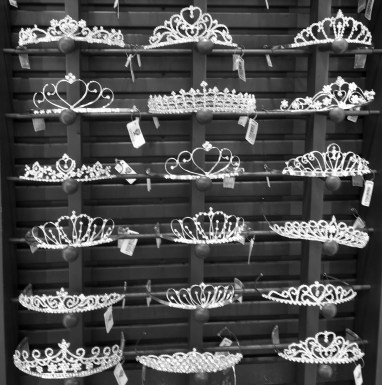
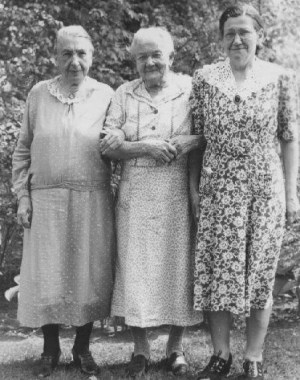 It’s important to understand that life is always better when we have at least a few genuine lifelong friends who stand by us ’til the end! So…no matter how many beauty contests you won or how high you rise on the corporate ladder- remember that you will always need friends and you will never be queen of everything! Since this is true- be the one who is willing to shine up and straighten your friends’ reputations and crowns without letting on that her tiara had slipped in the first place!
 Hospitality is important to friends, family and even strangers who might stop by…always be ready to offer refreshment of some sort. Be as generous as possible- the best hosts offer abundance… it sets the guests at ease so they won’t have to worry if there will be enough. And! Be the one who offers to add to the abundance by bringing a dish or drink if you are a guest!
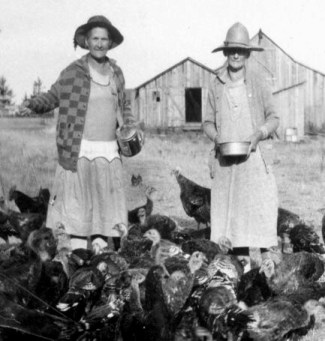 Learn and follow the basic rules of polite social engagements. Find out ahead of time what the occasion entails and the dress code. Always take a hostess gift, offer to help with set-up or clean up, leave at a reasonable time and don’t be the guest who wears out your welcome, then- for heaven’s sake – remember to write some sort of complimentary thank you note!

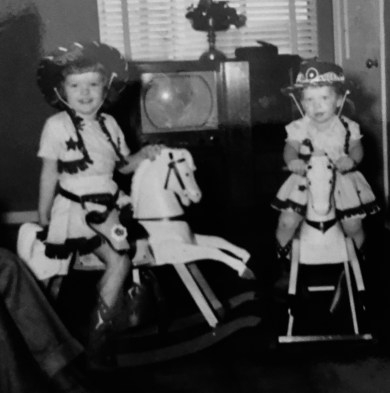





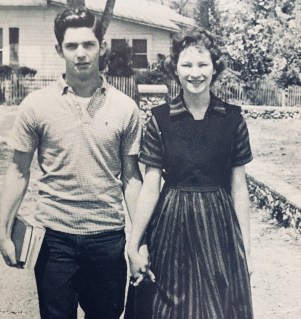 Though darlin’- our southern mothers would add- ‘Limit those public shows of affection to hand holdin’ or a peck on the cheek, unless folks get the wrong idea about you, then, question your upbringing!’ Our southern mothers’ advice is another thing that never goes out of style! Oh me, how I do run on!
 Camellia's Cottage