
‘Whether it’s the sound of drums, a pan of fresh baked cookies or a tray filled with with seedlings…an arbor of roses, a staircase winding or not, a row of rounded boxwoods or clothes pins on a line. Repetition is the Strength, the Unity, the Structure, the very Heartbeat of Good Design.’ B.W.
One of my 9 Principles of Design is ‘Shape and Form’. Yet, without the strength and unity of repetition- shape and form of any creative endeavor might fail to impress. Think about it. Repetitive shapes or sounds form the basis of Art of the finest order.
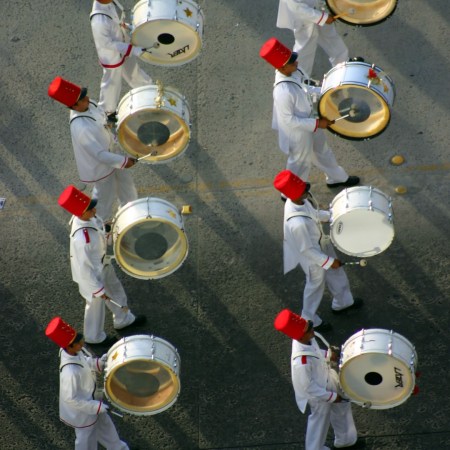 Drummers are uniformed, let one of them miss a beat and the melody of the other instruments could fall apart. And… We all love songs with the repetition of a chorus, right? Seedlings are charming alone, even more so in a group. An arbor of roses is pleasing to the eye as much for the repetition of the arches as for the profusion of bloom. A Checker Board is a classic example of Repetitive Design. A cooling rack filled with cookies, even if they aren’t the exact same size, still the eye sees repetition.
 A winding staircase works simply because the treads are spaced at a repetitive shape, form and space. An historic staircase is beautiful – even more so because of the repetition of woodwork, including spindles and dare I add? the Color.
 We’ve found rounded boxwoods tend to look good year round because of the consistent shape and form. Even clothespins on an empty line are unified in type and shape, even if they aren’t lined up. Why? Repetition of course.
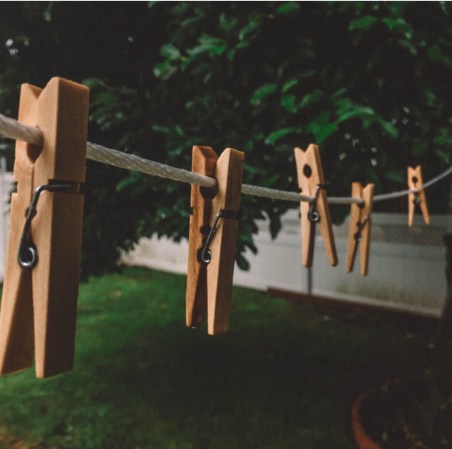 We love consistency. When a design is unified it gives a sense of order and peace. Repetition could be compared to the skeleton or structure on which any or all of the elements are layered on. Alone, it might be overdone. Just remember, that repetition, whether in color, shape or form is very important in design.
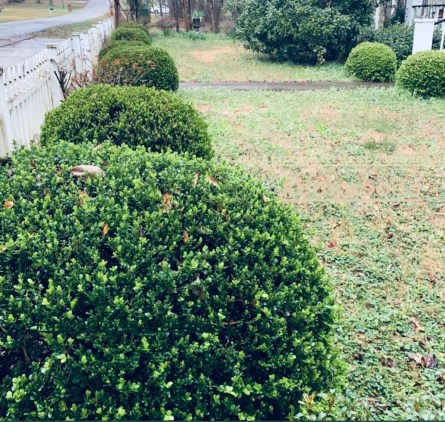 Whether it’s the sound of drums, a pan of fresh baked cookies or a tray of seedlings.. An arbor of roses, a staircase winding or not, a row of boxwoods or clothespins on a line.. Repetition is good in writing, marketing- making a point in different ways over and over. Repetition is the strength, the unity, the structure, the very heartbeat of Good Design.
Love y’all, Brenda
I’ve been working on a little project which includes the 9 Principles of Design… stay tuned!
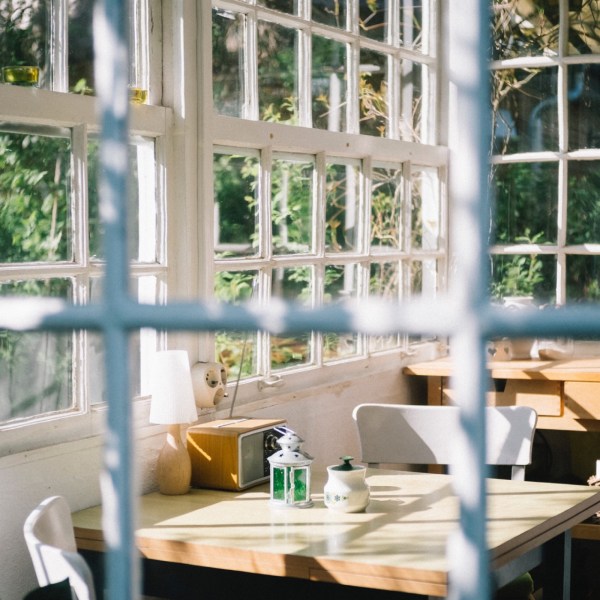
 I developed 9 Principles of Design that work for me. They all work hard for you, especially with Visual Marketing. My Mimi was a florist and my mother dabbled in art and interior design. With that background and some good training while working in retail, these elements were always present and I hope will serve you well.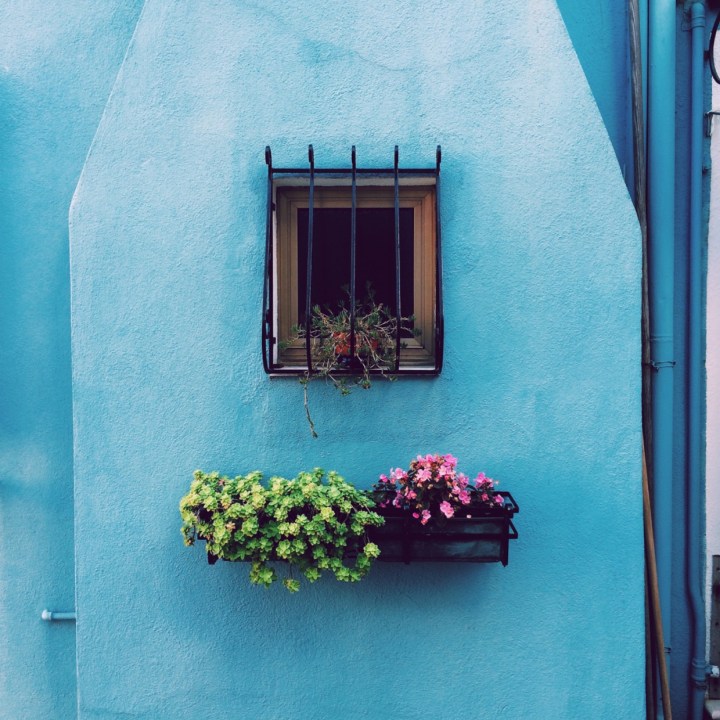

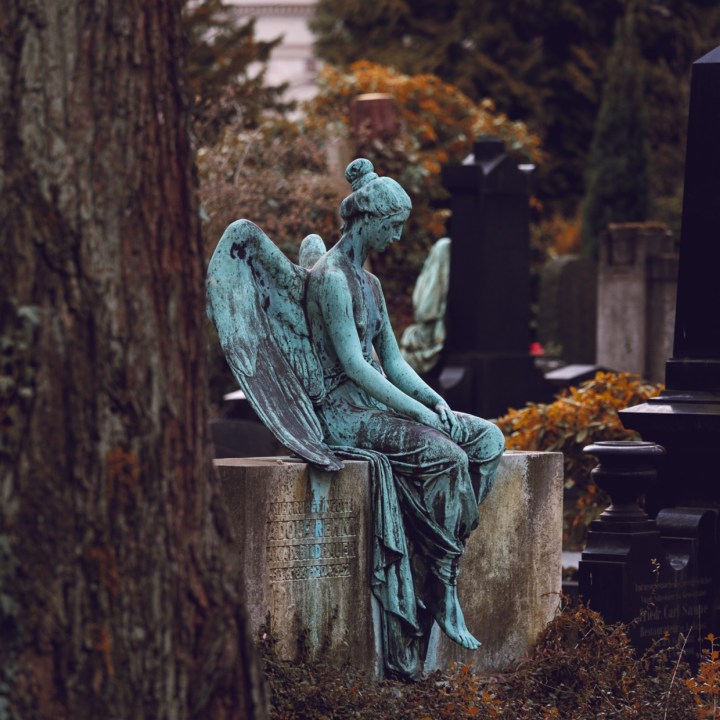


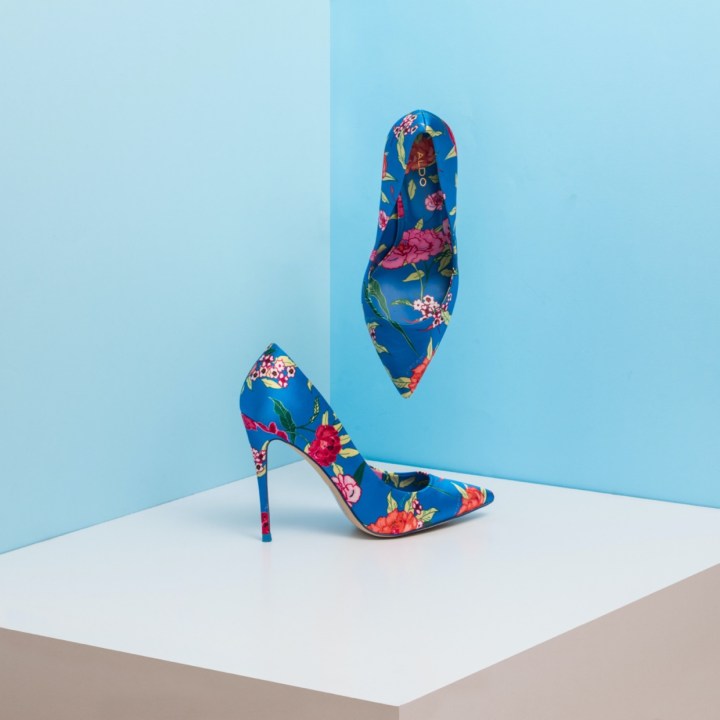 Space is the easiest upgrade- a big clean out makes a room spacious. Adding Negative Space into your displays, your social media grids, your art, writing and more…uplevels all you do!
 The range of colors is astounding this season- from a Gray which is reliable, stable and reassuring to Browns as earthy as garden soil or golden sands, a veritable rainbow of vibrant, fragrant and fresh as a palette of hollyhocks, zinnias or marigolds. There’s an astonishing array of Pinks, glamorous and soft, vibrantly alive. A range of Greens which are happy, responsible yet fresh. The Blues are still around, yet project optimism- they blend over into Aqua and Turquoise sea tones. There’s a mix of Pastels as playful as flower sprigged dresses, lavender fields, violets or birthday cakes.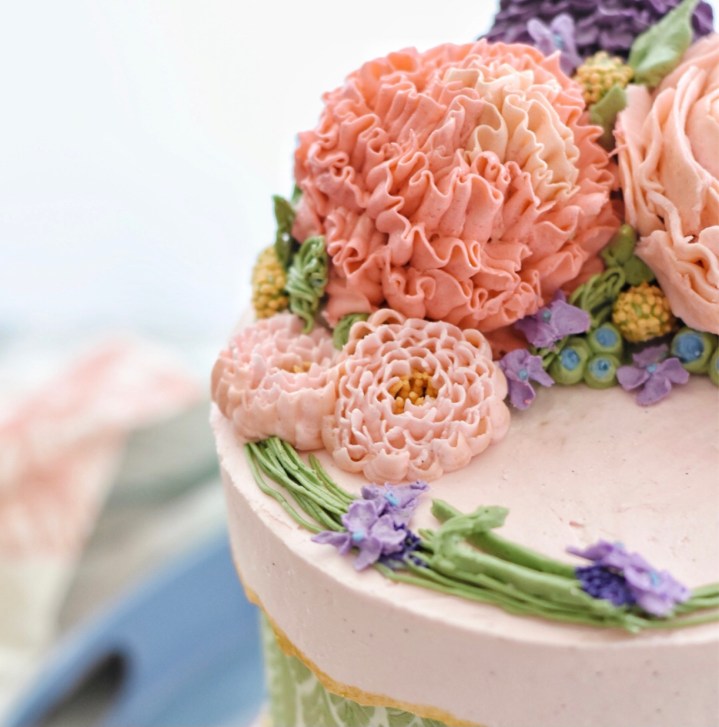
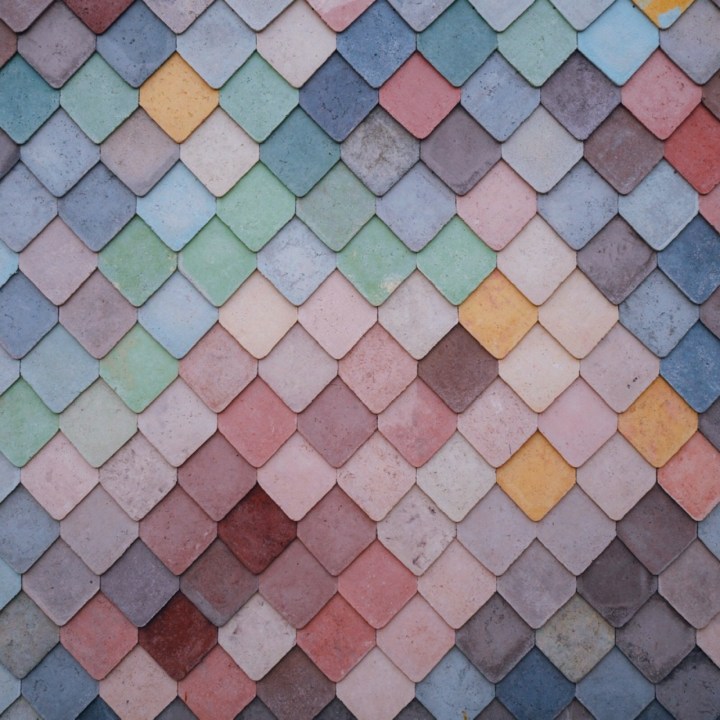
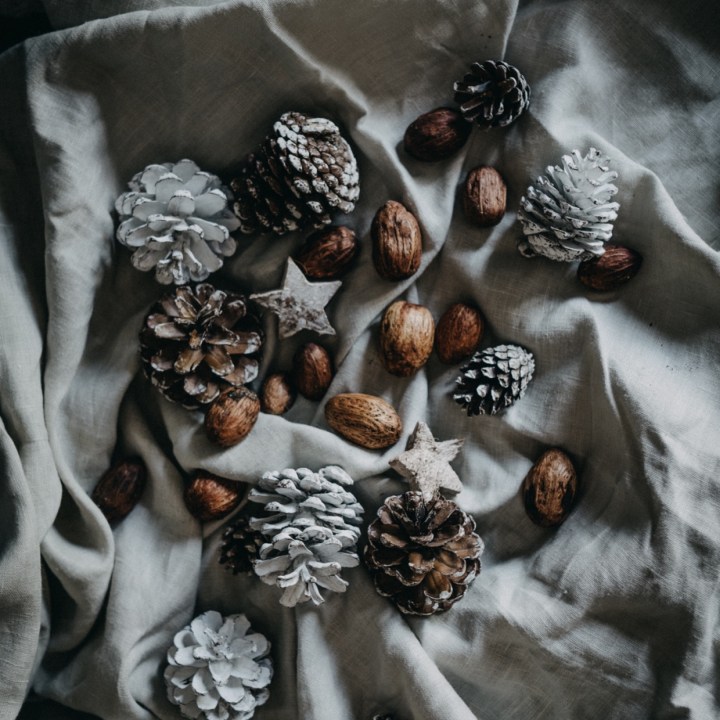
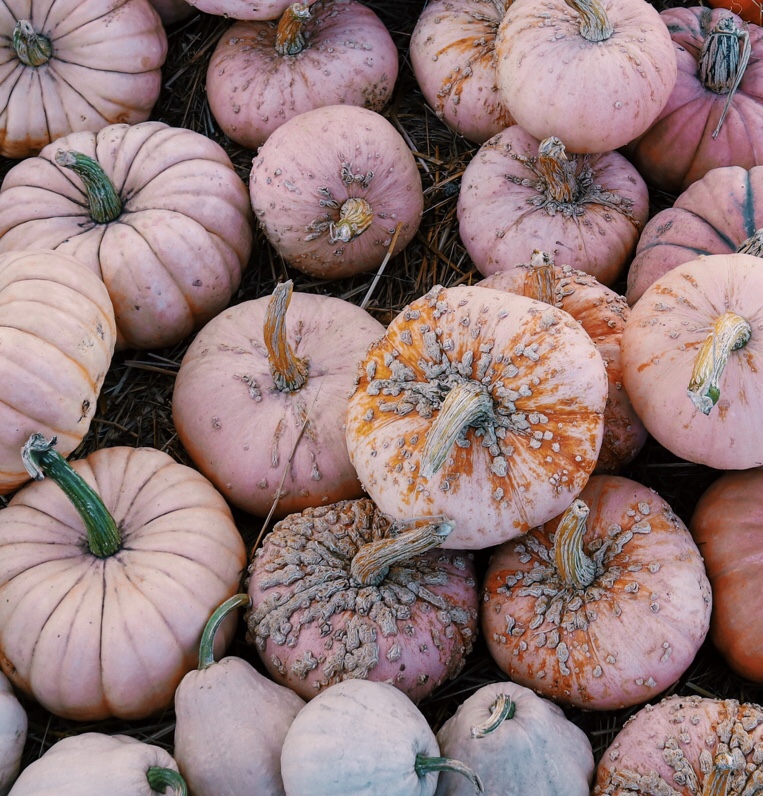 Texture. The roughness of peeling paint. The wrinkles, ridges and bumps of pumpkins, contrast with rough dry stems. The soft fur of a sleeping kitten on a nappy blanket- all are varied examples of how Texture, even on flat images bring life and interest to design. This is especially important when blogging or social media which is dependent on non-textured images.
 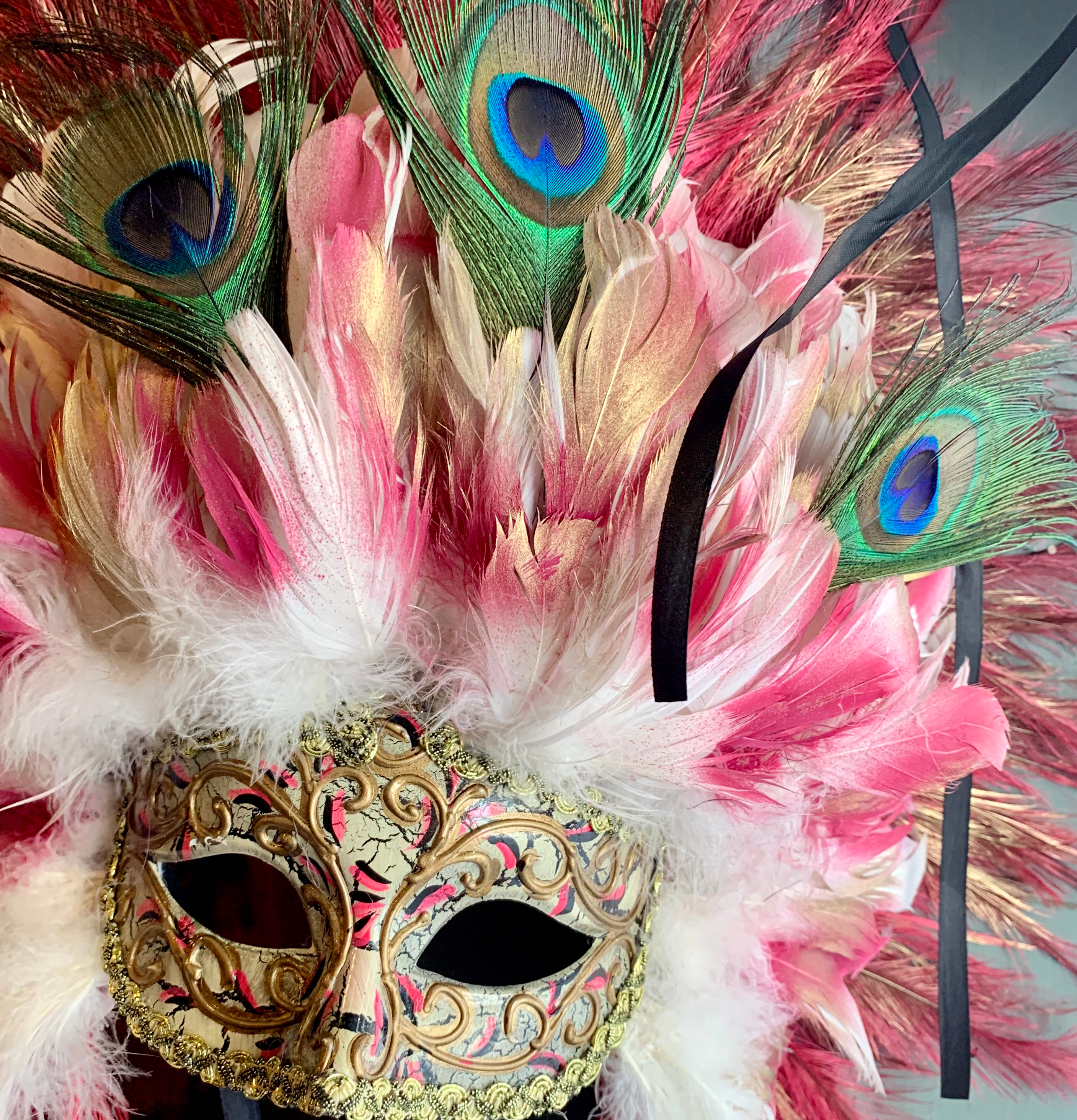 Soft feathers in vibrant colors play against an ornate gilded mask. Even textured monochromatic barn board and straw nest with the smoothness of galvanized metal show the importance of how light and texture brings life and interest to an empty nest I found and captured in a photo years ago. That image is still one of my favorites, a happy accident for sure.
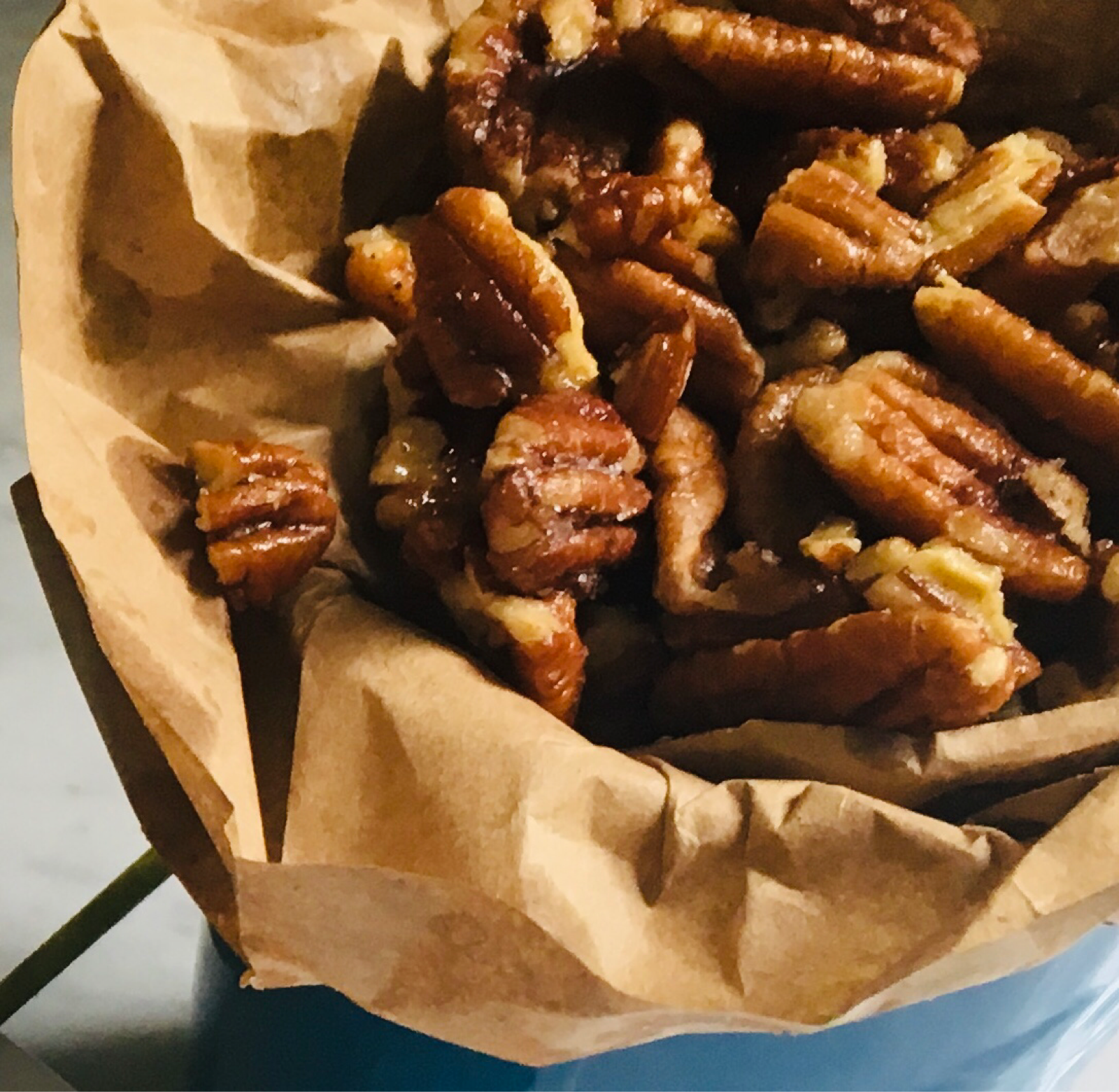


 Blue is the most beloved color around the world. The color of loyalty, honor, order, calm and healing- Blue is the color of the sea and sky. Classic Blue inspires trust, respect and invokes responsibility. Blue was named the Color of the Year 2020 by ™Pantone- the leader in predicting color for fashion and home decor. If you’re wondering how to spruce up your wardrobe, your home even your online catalogs- look no further than the Color Institute for inspiration. For fall and winter, the blues are darker and classic. Even the green of this season’s color story has a hint of blue. The whole year has had several shades of Blue. Take a look at your catalogs- chances are you’ll find a hue for you!
 Indigo is grown on almost every continent in the world. Here in the USA, you may be surprised to learn that the most successful grower and producer of dye was a young girl named Eliza Lucas Pinckney of South Carolina. Educated in London, her favorite subject was Botany. Eliza’s father, a British soldier based on the island of Antiqua, had brought his sickly wife and their two young daughters to the colonies believing the climate would be better suited to his wife. He was dispatched back to Antiqua, leaving 14 year old Eliza in charge of the family estate. He sent indigo seeds from Antiqua to Eliza to experiment with growing. After three years of experiments- the 17 year old had perfected, not only growing indigo- she was producing dye cakes. There was a great demand for the dye in England for military uniforms. During the course of her production in years to come- it has been said that the Emperor of China preferred the color of Eliza’s dye above all others, for it’s unique luminous color.
 Eliza also revived the culture of silkworms, indeed her signature look was a Blue Silk Dress. Tens of thousands of pounds were produced by her estate. She married young, had two sons and her husband died while Eliza was still considered a young woman. At this point, Eliza was running her father’s estate and her husband’s as well. She had become a patriot. One of her sons signed the Declaration of Independence, the other became a Diplomat. Upon Eliza’s death at age 71, in 1793, George Washington, at his request, served in Eliza Lucas Pinkney’s funeral as pall bearer.
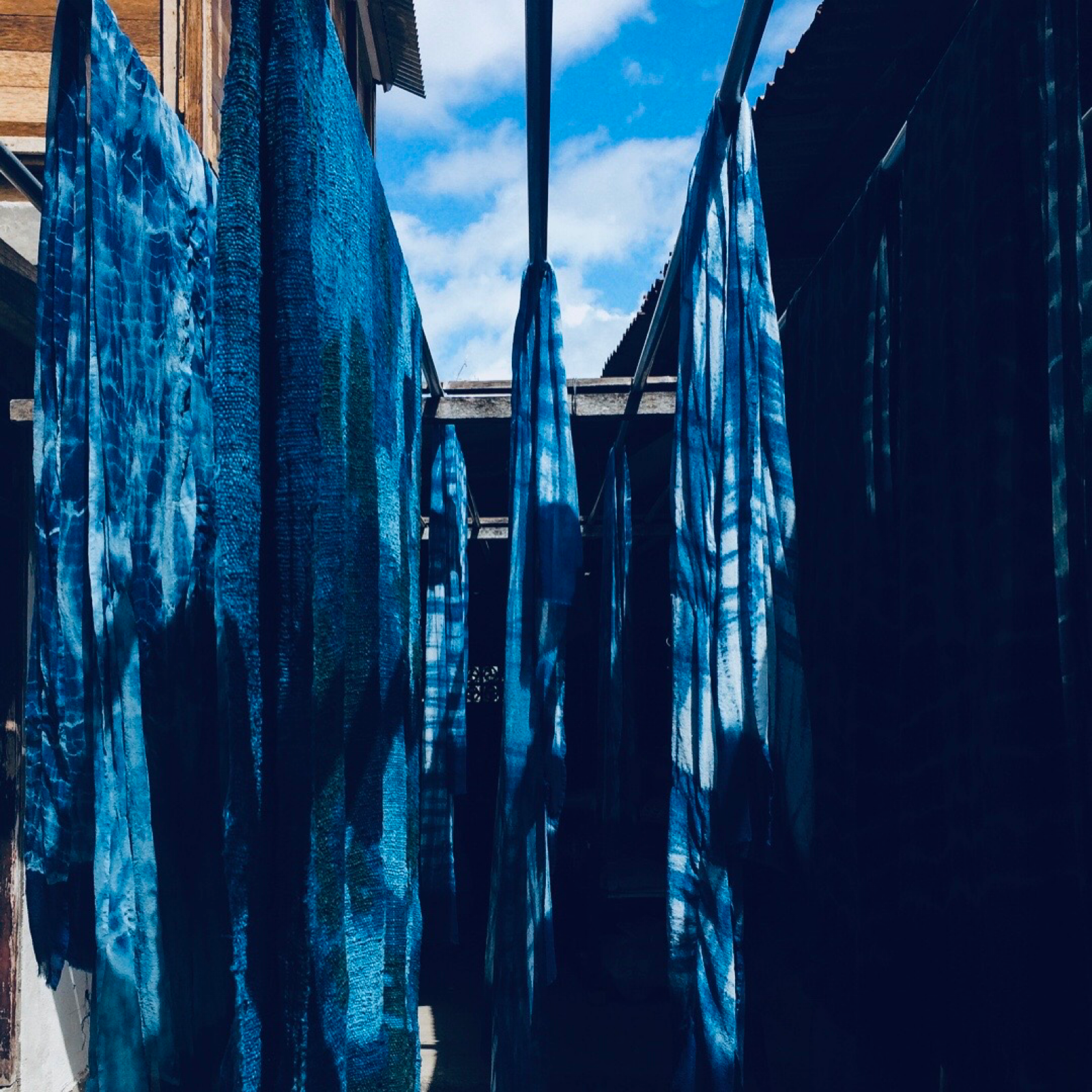 Indigo dyed fabric, the robes of Kings, became widely used in the States, as the common dye of Denim- the fabric of farmers, pioneers, working folks and of course for uniforms and business attire. Indigo is no longer widely grown in the US, yet in recent years, a revival of sorts, to make and use natural plant based dyes has occurred, among them is small batches of safely harvested indigo. Though, India produces what has almost always been considered the finest.
 Camellia's Cottage